
Craftable traps in ARC Raiders provide defensive automation against ARC units. Resourceful Reclaimers build deadly contraptions from scavenged parts. This guide teaches trap construction and deployment for area denial.
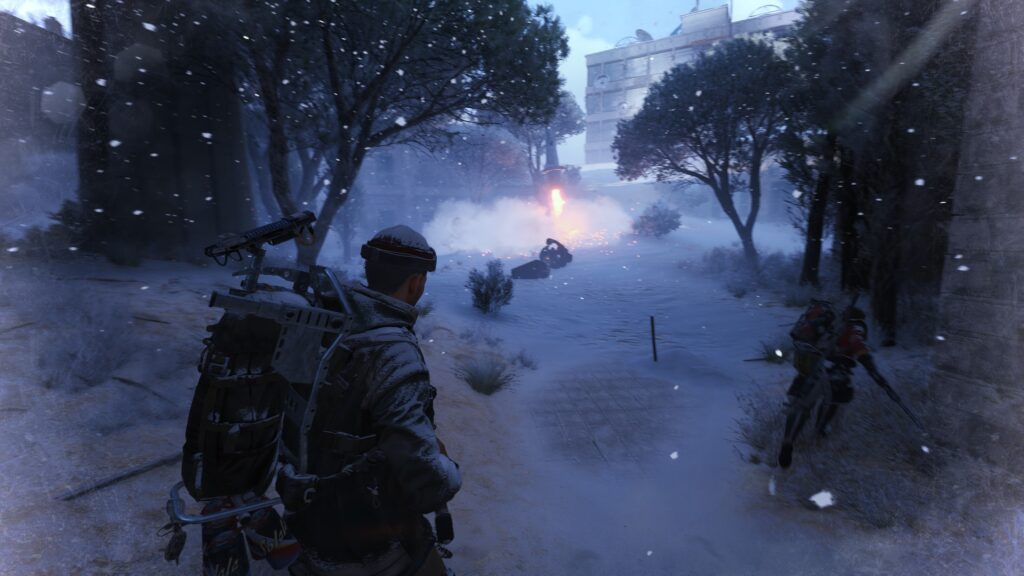
Trap Type Overview
Understanding trap options enables proper selection for situations. The table below compares craftable trap types:
| Trap Type | Damage | Trigger Type | Craft Cost | Best Target |
|---|---|---|---|---|
| Proximity Mine | High | Motion sensor | Medium | All units |
| Tripwire Explosive | Medium-High | Physical trigger | Low | Light units |
| EMP Trap | Low/Stun | Proximity | High | Electronic units |
| Spike Trap | Medium | Pressure plate | Low | Ground units |
| Net Trap | None/Immobilize | Proximity | Medium | Fast units |
Trap Placement Fundamentals
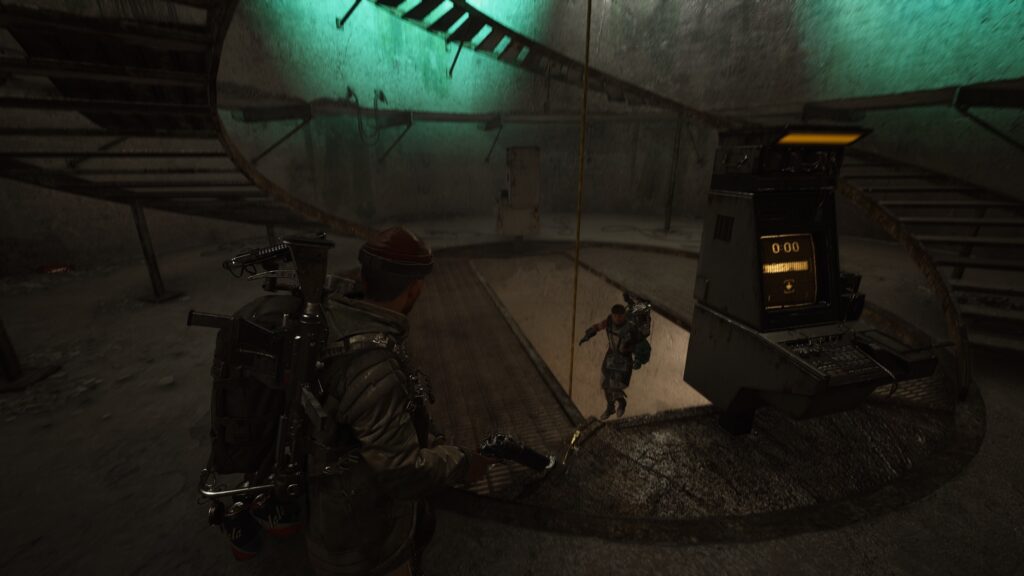
Proper placement determines trap effectiveness completely. Choke points funnel enemies through traps. High-traffic paths maximize trigger probability. Conceal traps from visual detection. Layer multiple traps for compound effects. Mark trap locations for teammates. Forgotten traps kill friendly Reclaimers.
Anti-Machine Trap Strategies
ARC units respond to traps differently than humans. Light units trigger proximity mines reliably. Heavy units require multiple trap hits. EMP effects disable electronics temporarily. Fast units fall for net traps frequently. Trap combinations overwhelm unit AI. Machine patterns make trap prediction possible.
Resource Investment Analysis
Trap crafting requires material investment consideration. Common components from standard looting. Rare components need targeted farming. Trap costs accumulate across deployments. Successful traps pay for themselves. Failed traps represent sunk costs. Budget trap crafting within raid economy.
Defensive Trap Networks
Base defense benefits from trap integration significantly. Perimeter traps provide early warnings. Layered traps create defensive depth. Remote triggers enable manual detonation. Trap maintenance ensures functionality. Defensive traps deter raiders effectively. Networks exceed individual trap value.
Trap Counter-Measures
Understanding trap detection protects from enemy traps. Visual scanning reveals placement patterns. Probing triggers traps safely remotely. EMP effects disable electronic traps. Marked traps communicated to teammates. Trap awareness prevents casualties. Knowledge protects from clever trappers.
Advanced Trap Combinations
Complex trap setups create devastating effects. Explosive plus EMP disables and destroys. Net traps hold targets for explosives. Sequential triggers overwhelm escape attempts. Creative combinations reward experimentation. Advanced traps require practice and resources. Mastery separates trap experts from novices.



Leave a Reply